Insight; What we learn before we draw
Before we draw a line, we spend time learning.
Architecture is often imagined as beginning with a pencil, a sketchbook or a computer screen. Our work begins somewhere else entirely. It begins by walking, and looking.
Over the years, we have come to believe that every landscape has something to tell us, if we take the time to look carefully enough. The land speaks quietly. It carries clues, memories and traces of the people who came before us. It reveals itself gradually through observation, research and patience.
Before any design begins, we immerse ourselves in the place.
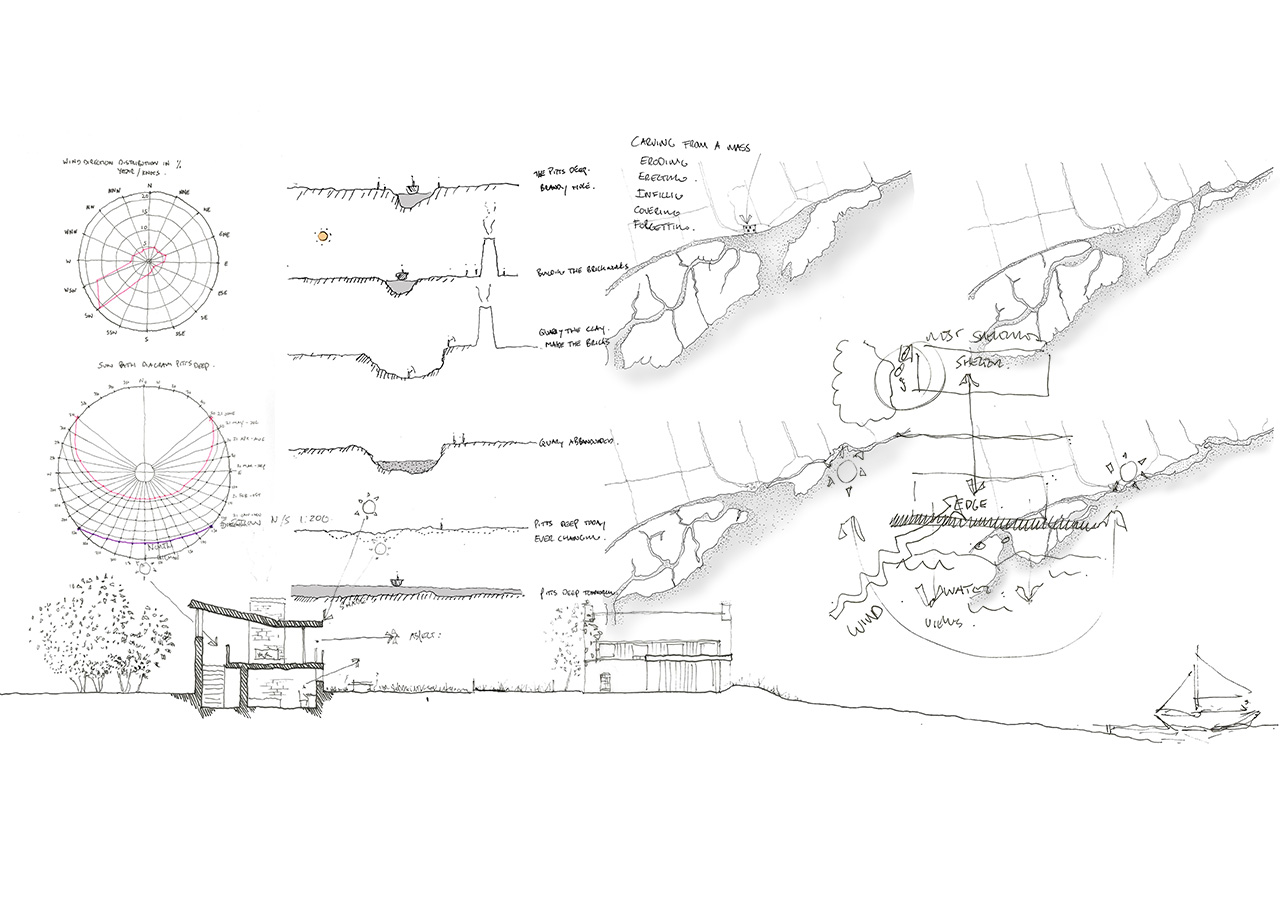
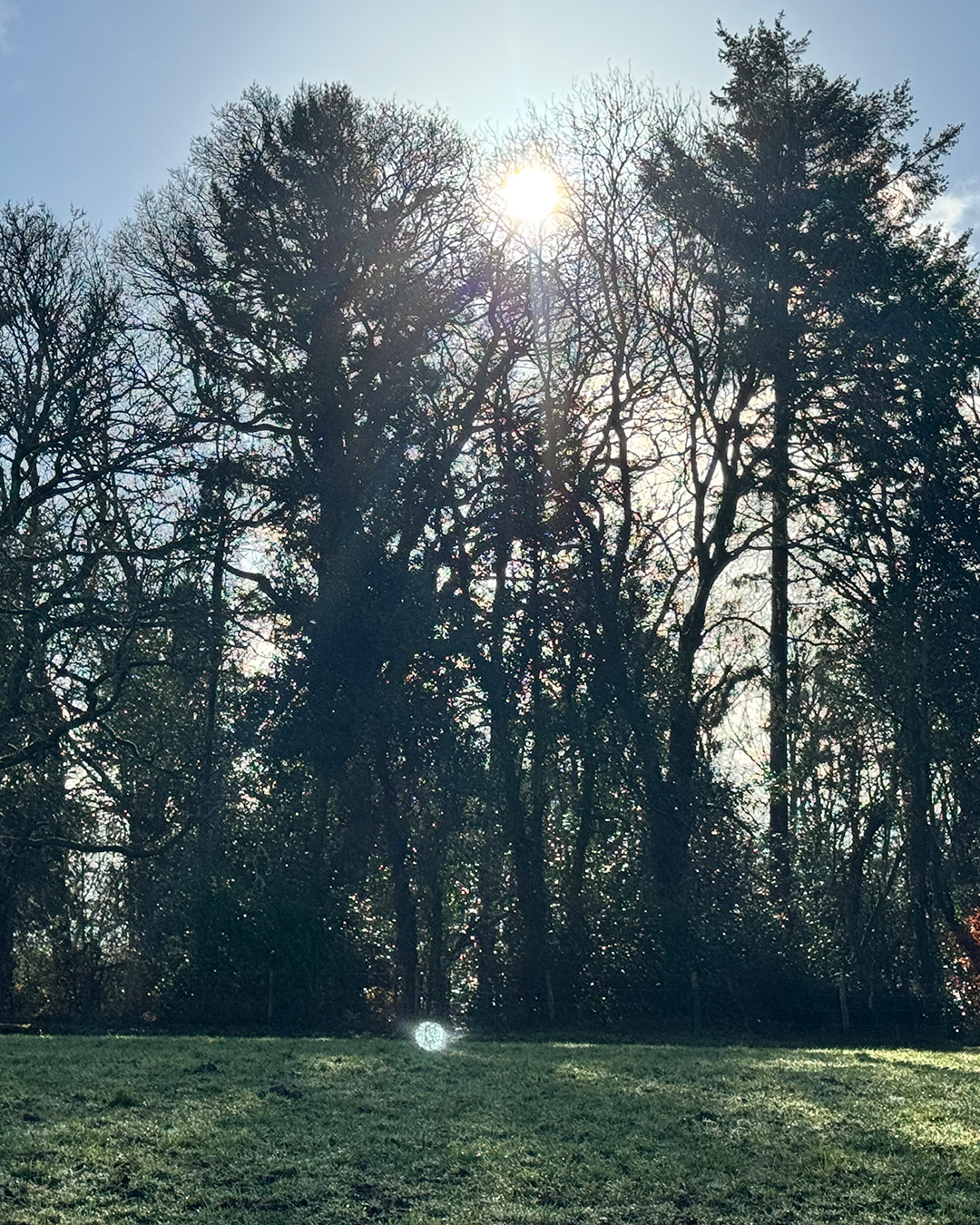
We walk the site repeatedly. We visit at different times of day and, where possible, in different seasons. We stand still and watch how the light moves across the ground. We notice where frost lingers, where shelter can be found, where water gathers after rain and where the wind arrives from. We study the views, but also the places where views disappear. Sometimes those hidden places are just as important.
Every site is unique because every site is shaped by its geology.
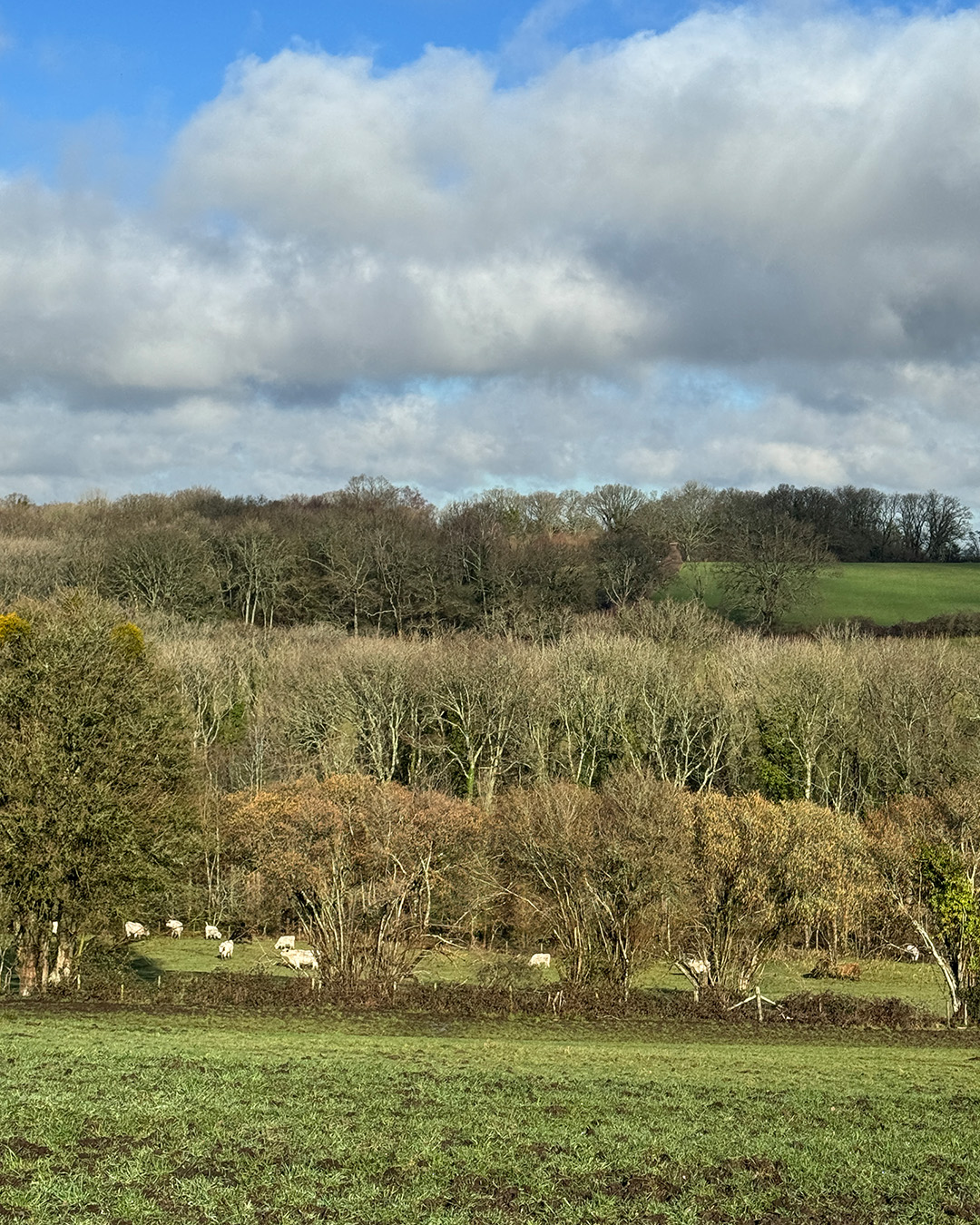
The ground beneath our feet determines far more than we often realise. The soil influences which plants thrive, which trees grow, what wildlife can flourish and even the colours and tones of the landscape itself. These same conditions have historically shaped the buildings around us.
Local clay determines the colour of bricks. Minerals within the ground influence the colour of lime mortars. The trees that grow within a region determine the timber historically available, affecting the tone, scale and texture of traditional cladding. What can appear to be a collection of architectural choices is often the result of geography, resources and necessity.
As a younger architect, I sometimes found planning language about local distinctiveness and landscape character frustrating. It could feel restrictive. Over time, however, I came to understand the more useful message beneath it: learn from the past, look around, use your eyes and understand this place properly.
That should not mean copying historic buildings or recreating the architecture of the past. Good design should not become pastiche. Instead, understanding history provides a foundation for contemporary architecture that is respectful of its setting and contributes positively to the next chapter of its story.
One of our most powerful tools is the historic map.
We are endlessly fascinated by the way landscapes evolve. Historic mapping allows us to uncover layers of a place that are no longer immediately visible. We look for former woodland, historic field boundaries, lost paths and vanished buildings. We study settlement patterns and ask what has changed, what has survived and why.
Again and again, these investigations reveal extraordinary discoveries.
We have found ancient hedgerows, forgotten dwellings, brick kilns, springs and old tracks whose existence explains unexpectedly high-banked lanes. On one project, we discovered an old brandy hole used by smugglers in the New Forest, with hidden routes through the landscape leading to a former hostelry. A nearby brickworks completed the story, since brickmaking was obviously thirsty work!
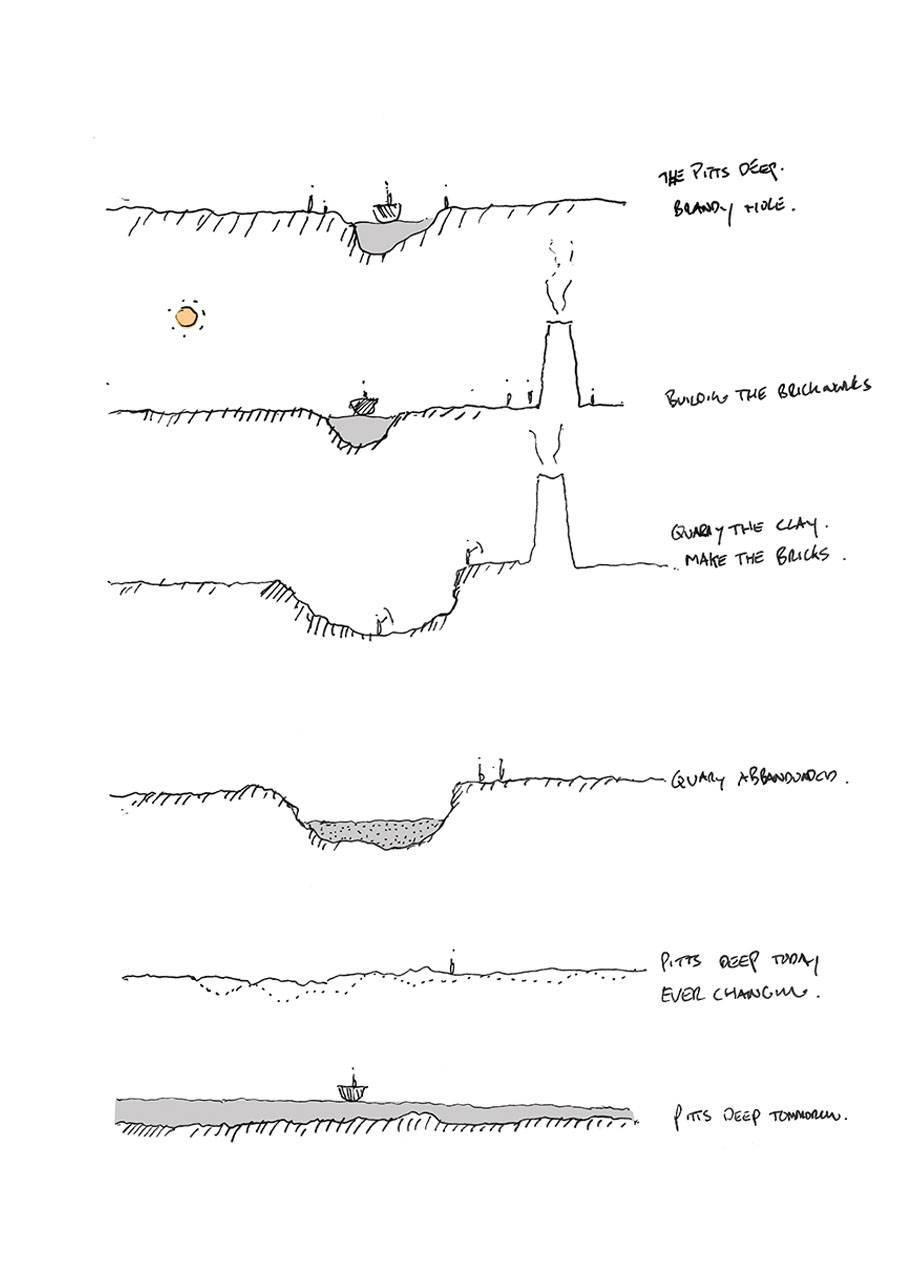
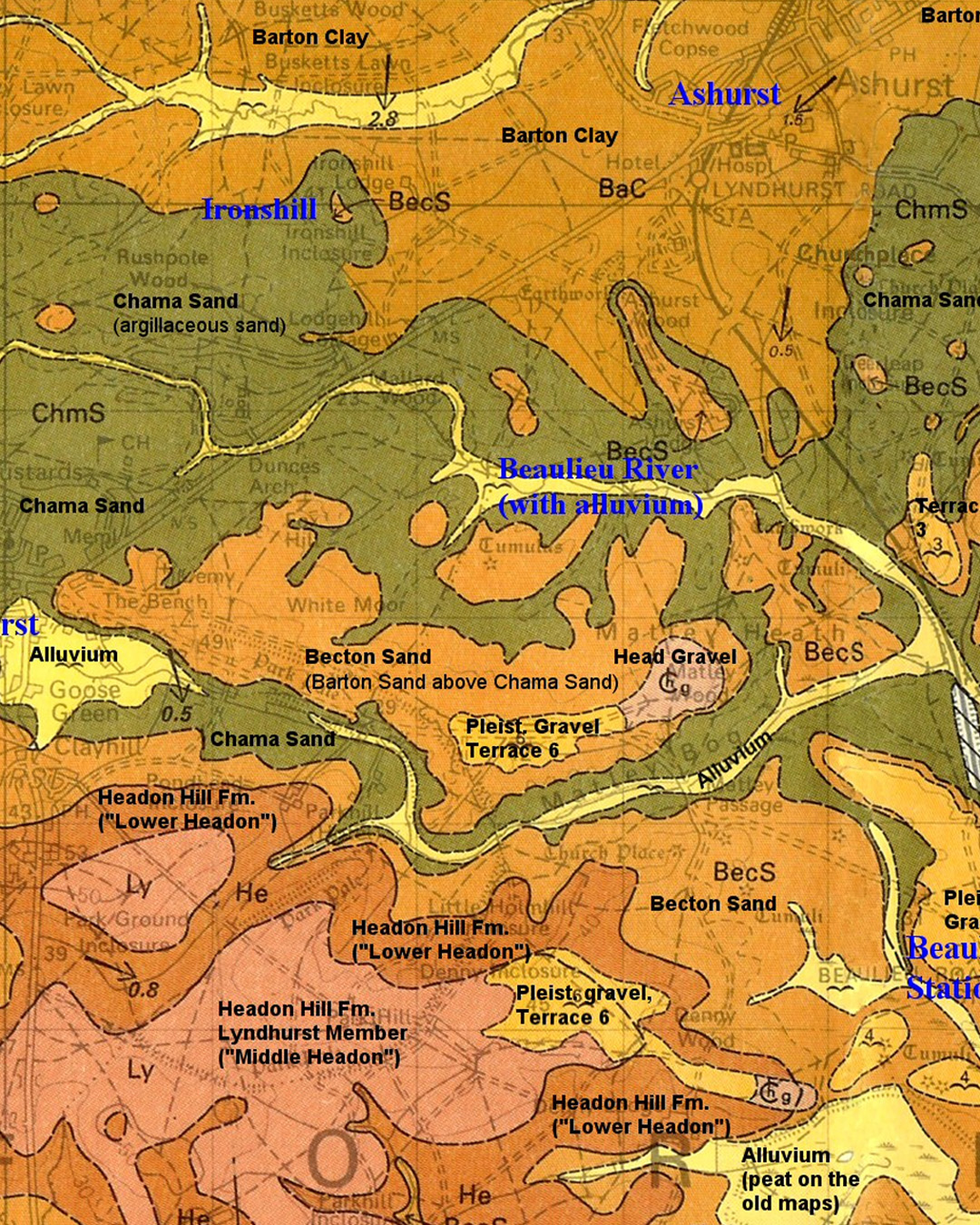
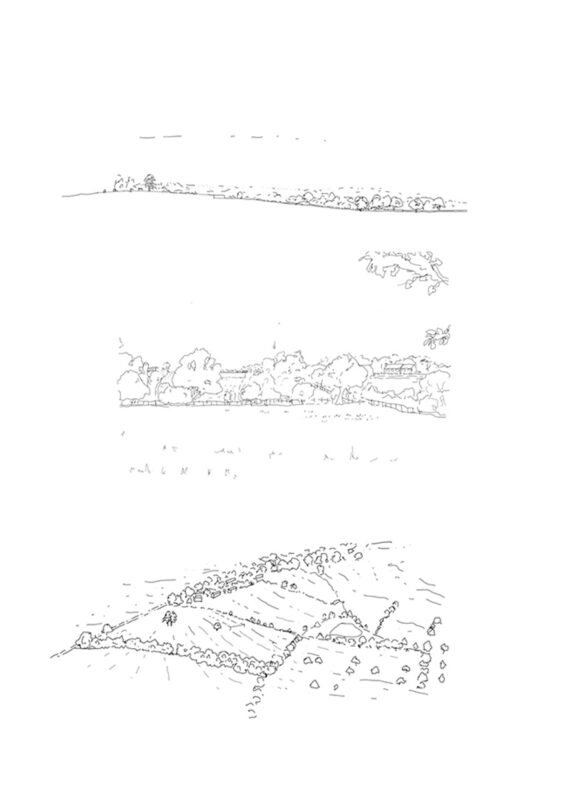
Elsewhere, research into the seams of clay beneath the New Forest helped to explain the shift from the pale buff bricks around Inchmery area to the deeper forest-red bricks around Beaulieu. We have rediscovered dew ponds, forest rides, intricate flint-lined ponds and beautifully crafted walls, now overgrown, marking gateways that initially seem to lead nowhere.
Historic maps can make sense of these fragments. A gateway may once have opened onto the path to a nearby village. An isolated mature tree in the centre of a field may be the last remnant of a lost hedgerow. Modern farming machinery has dramatically changed the landscape, erasing boundaries, tracks and routes that were once essential to daily life, yet traces often remain.
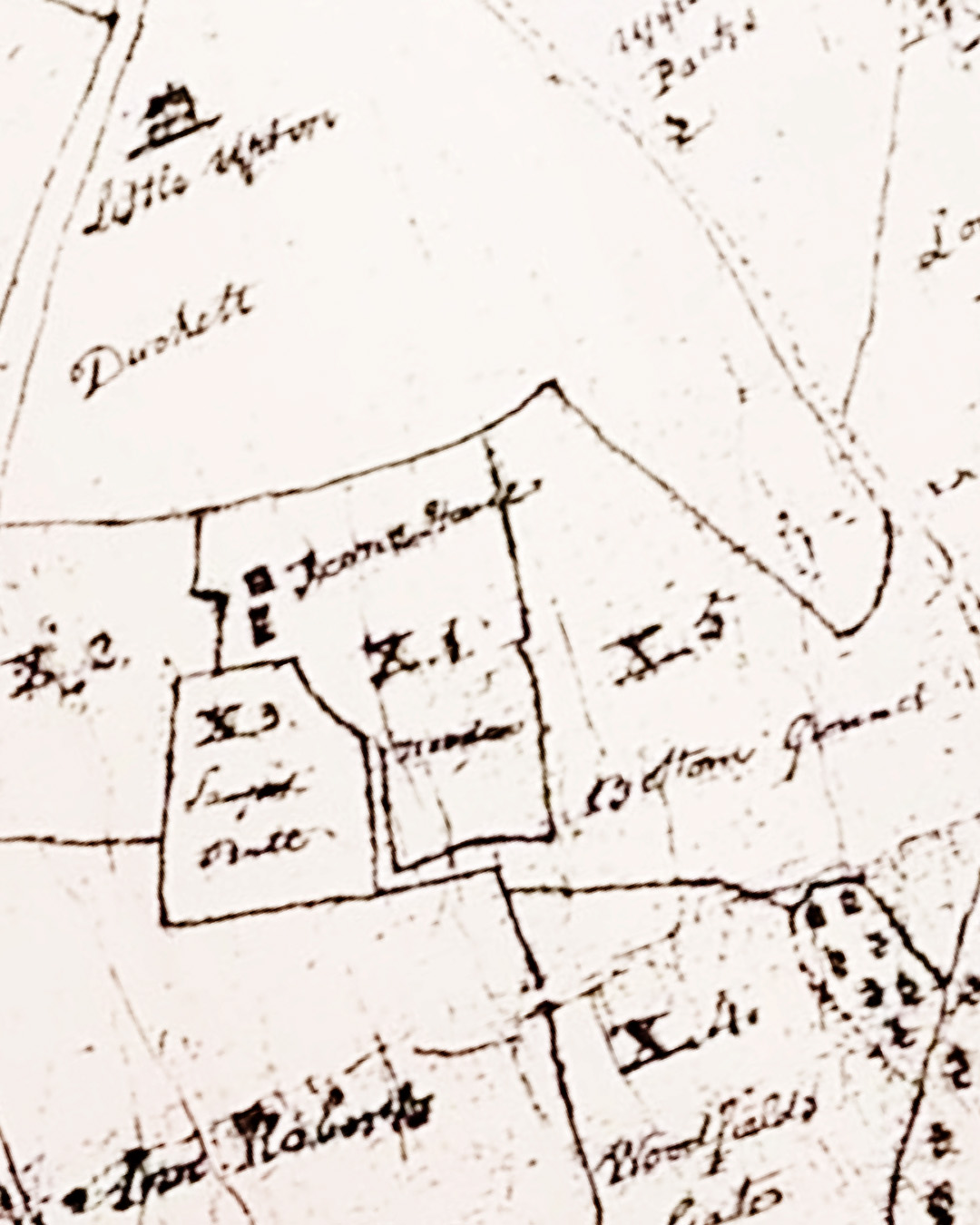
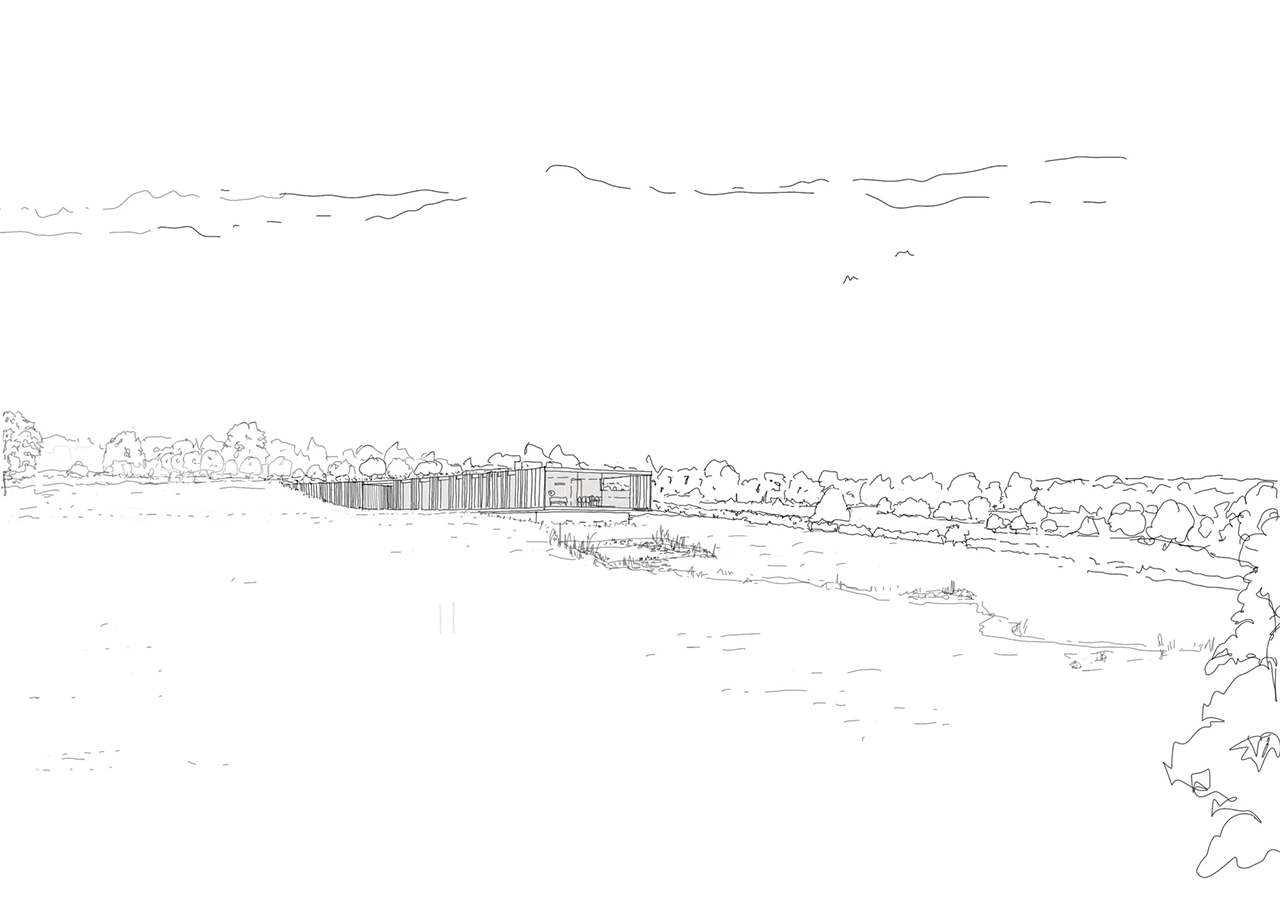
This became an inspiration for our work on the Isle of Wight, where a Paragraph 84 application currently under consideration, developed with Studio 31, focuses on restoring the landscape. A long-forgotten building shown on a historic map explained the plateau that exists on the site and why that particular part of the land simply felt right. The building had disappeared, but the land retained its memory.
The flora and fauna of a place provide further clues. They influence how we think about material, texture and atmosphere, and how a building might sit humbly within its surroundings.
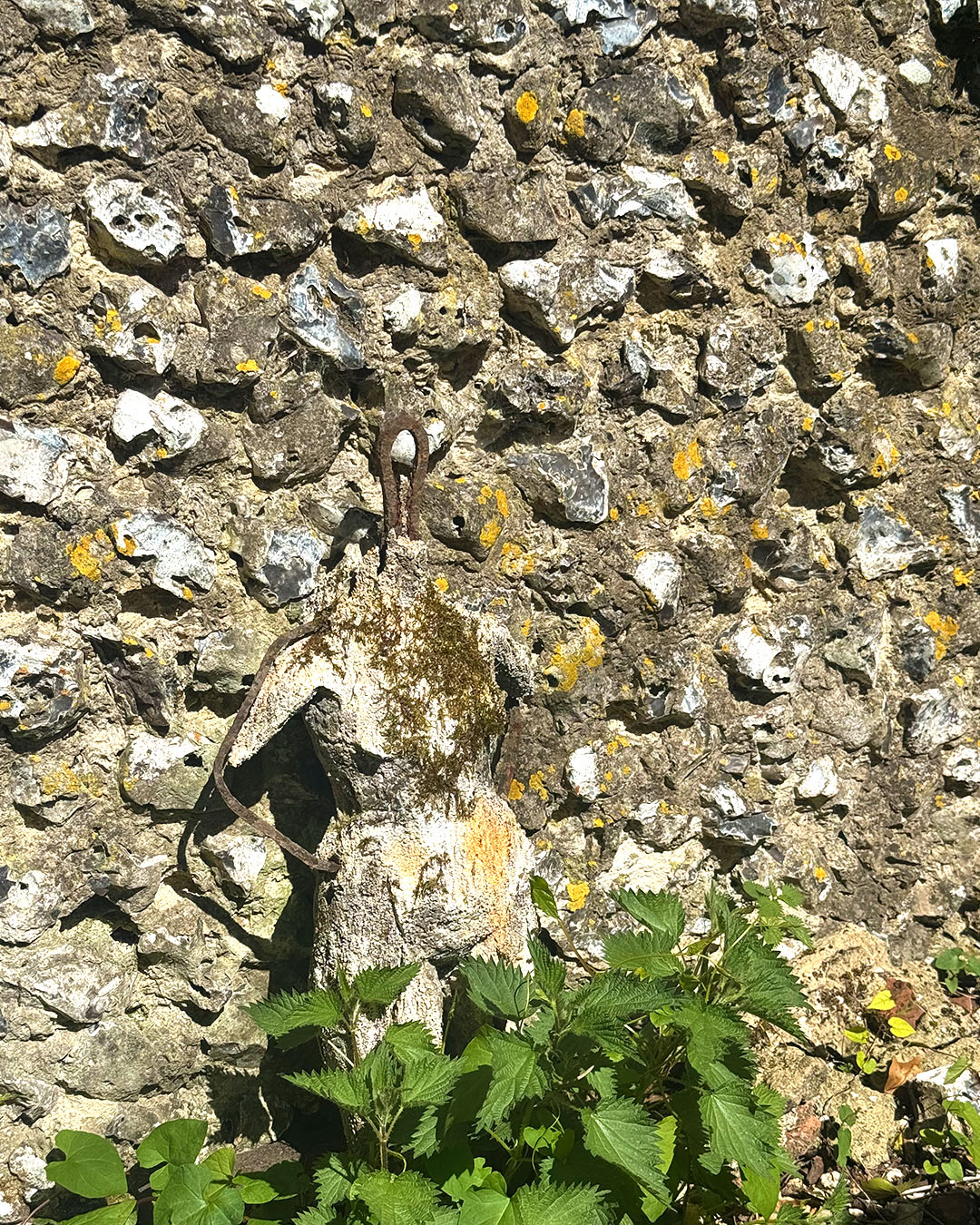
At the recently completed Retreat at Sussex House, field flints gathered locally were used to create walls that settle into gently rolling earth berms. The textures of the flintwork and ox-eye daisies now sit together naturally, allowing the architecture to feel like part of the landscape rather than an object placed upon it.
At New Forest House, one of our early projects, we used Douglas fir sourced from the site to line the concrete shuttering, imprinting the building with the grain and touch of the trees. The timber was then reused as cladding for the outbuilding. We also learnt about the importance of New Forest dew ponds and indigenous planting, ensuring that the ecology of the swimming pond did not introduce invasive species into the wider biosphere.
These lessons take time. In a profession increasingly driven by speed and efficiency, spending days walking a site, studying local materials and looking through old maps can feel almost indulgent. Yet these early investigations often contain the seeds of our strongest architectural ideas.
Australian architect Glenn Murcutt’s well-known principle, “touch the earth lightly”, captures something essential about this approach. To intervene sensitively in a landscape, we must first understand it. We must recognise that the land was here before us and will remain long after we are gone.
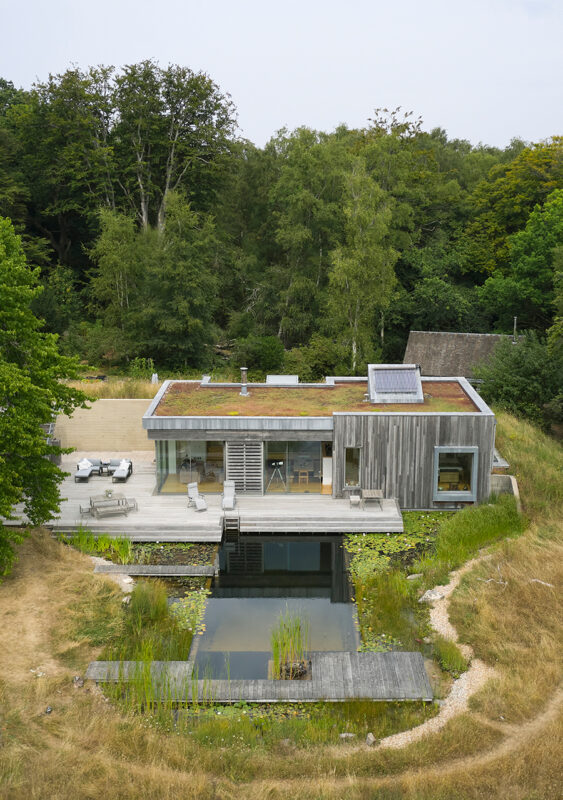
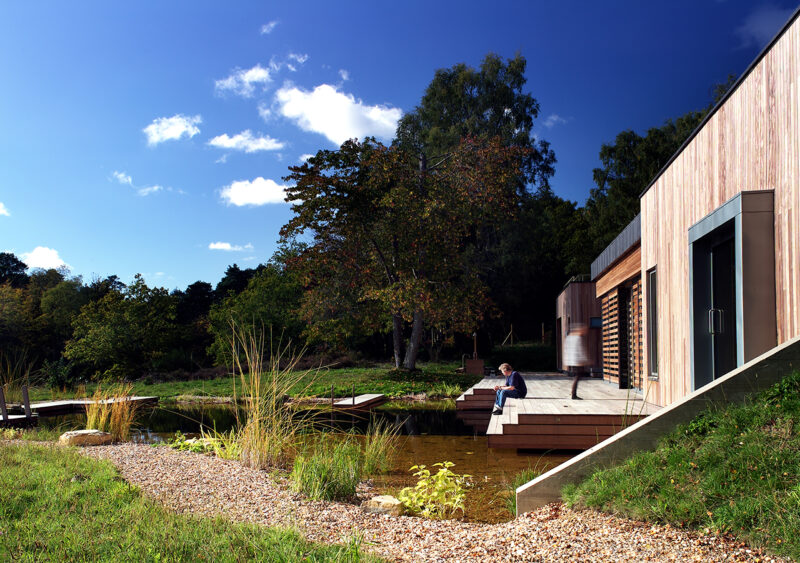
All of this happens before we draw.
By the time the pencil finally touches the paper, the design process has already begun. The eyes have observed. The mind has gathered knowledge. Connections have formed between history, ecology, geology, climate, material and memory.
Only then do we begin to sketch.
And when we do, we still prefer to start with the hand rather than the computer. The first drawings are not calculated solutions. They are responses – thoughts flowing from observation, and a conversation between place, eye, mind and hand.
Drawing, for us, is the moment when everything the landscape has been teaching us begins to find its way onto the page