Insight; Why Exceptional Rural Sites Require a Landscape-Led Approach
When people imagine architecture, they often imagine buildings.
We imagine landscapes, which buildings inhabit.
Long before we begin testing forms, selecting materials or drawing plans, we spend time understanding the wider context of a site. The shape of the land. The movement of water. Existing ecology. Historic patterns of occupation. Local materials. Views. Climate. The relationship between woodland, pasture and settlement.
Most importantly, we try to understand why a place feels the way it does.
This approach underpins all of our work, from small projects such as the Retreat at Sussex House through to larger and more complex projects such as Brockenhurst Park and Little Upton. Every project begins with an attempt to understand the landscape before introducing new architecture.
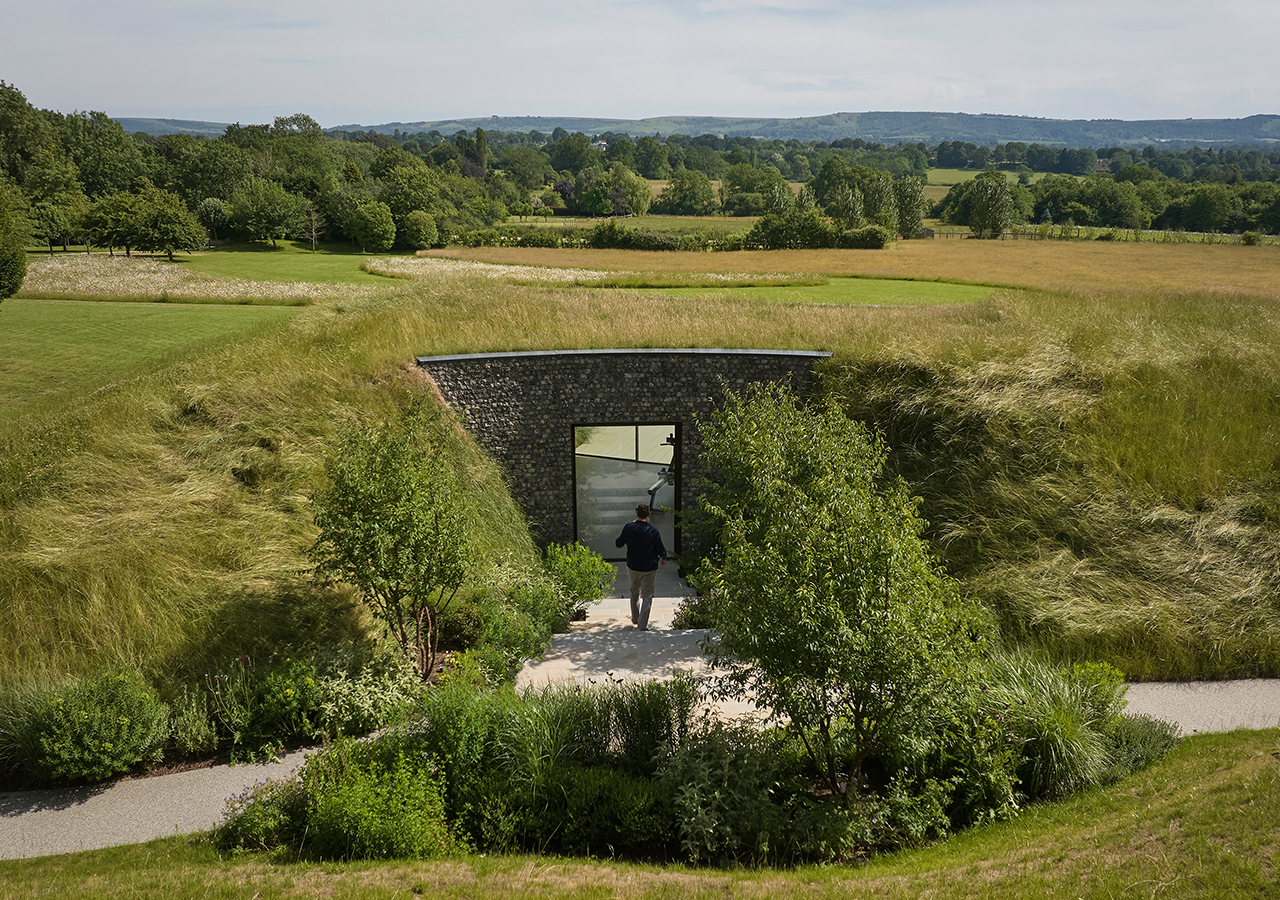
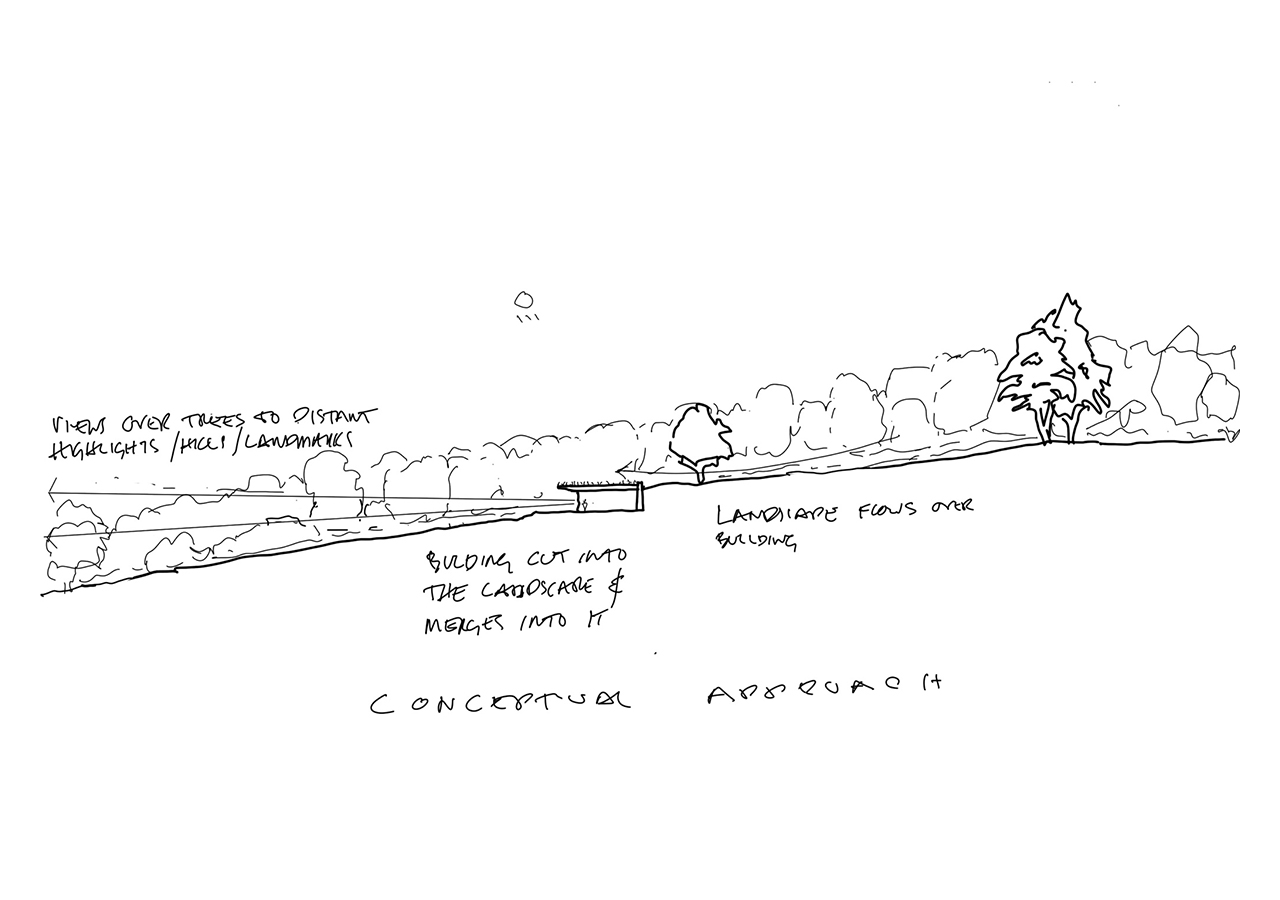
Landscape-led design is not simply about protecting views or preserving trees.
It recognises that every landscape is the product of geology, ecology, climate, agriculture and human occupation. These forces shape the character of a place over generations. Good architecture emerges from those conditions rather than being imposed upon them.
This is particularly important when working on exceptional countryside homes under Policy HO11 formerly) Paragraph 84e of the National Planning Policy Framework.
Projects pursuing Policy HO11 must demonstrate sensitivity to their setting and an exceptional response to place. The architecture cannot be considered in isolation. Landscape understanding becomes fundamental to the design process.
Often, the clues begin beneath our feet.
The geology of a site influences far more than many people realise. It affects drainage, vegetation, ecology and landform, but it also influences local building traditions. Clay determines the colour of brick. Available stone shapes local architecture. Indigenous tree species influence the timber historically used for construction. Even the character of grassland can often be traced back to what lies beneath the surface. It is fascinating to walk the site with a Landscape Architect who understands soil, geology and grass – this gives clues as to what lies beneath and starts to inform the approach before we put pen to paper.
Understanding these relationships helps us create buildings that feel rooted in their surroundings rather than imported into them.
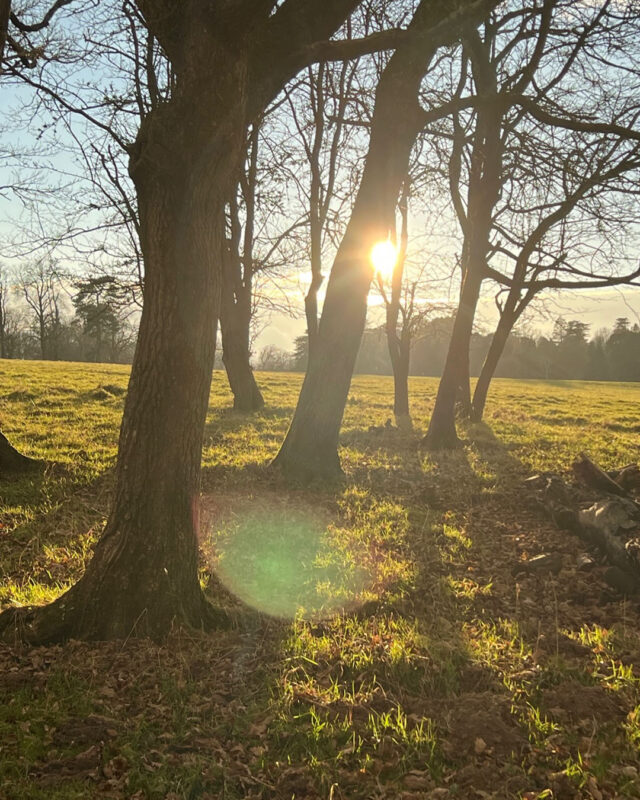
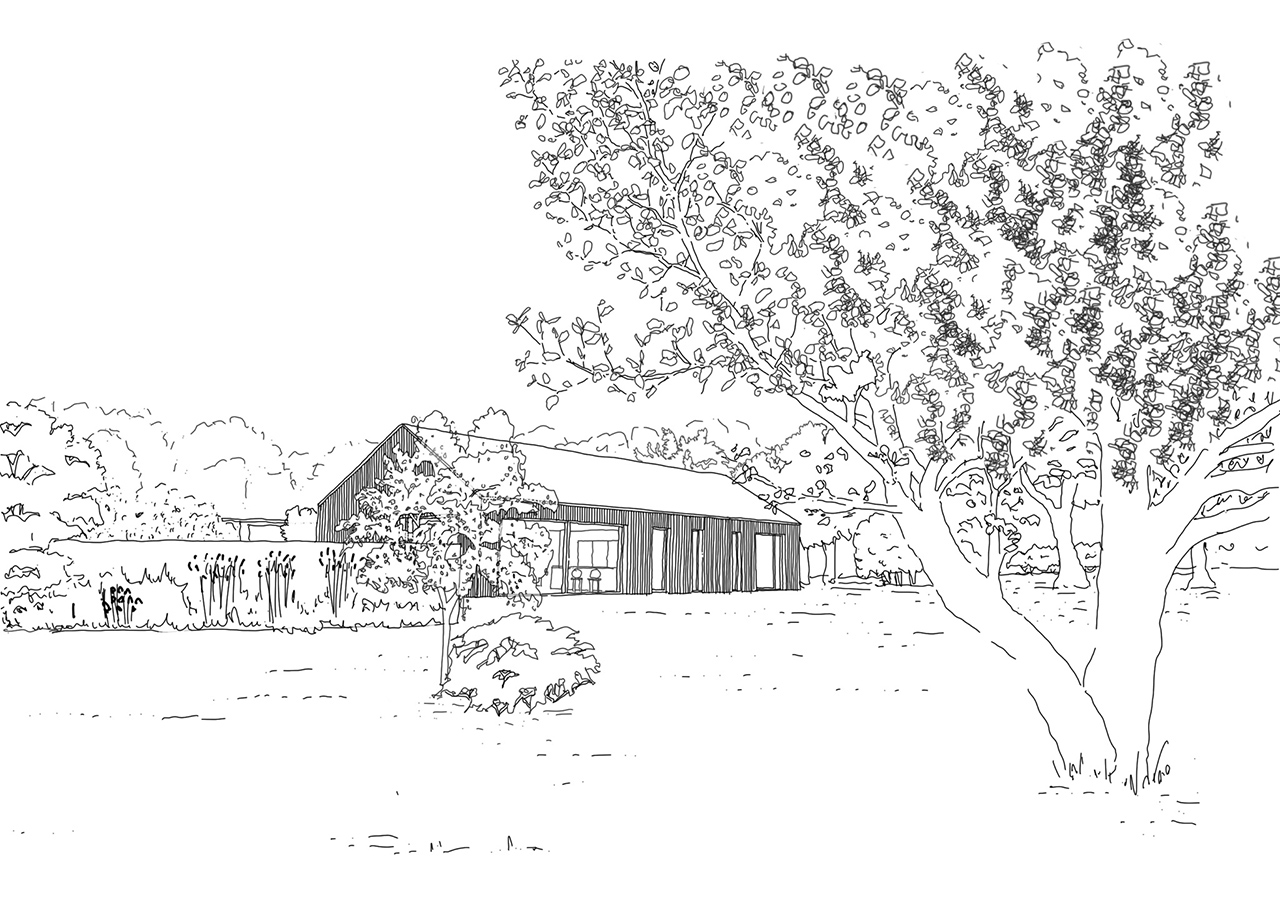
At Brockenhurst Park, this landscape-first approach informed every aspect of the project. The wider vision focused on restoring openness and long views, supporting veteran trees and future tree succession, strengthening ecological networks, improving drainage and restoring historic features helping to reinforce the historic logic of the parkland. Architecture sits within that framework rather than competing with it.

Landscape-led design also relies on collaboration.
We have learned repeatedly that involving Landscape Architects at the beginning of a project generates stronger outcomes. Decisions about where a building should sit, how it should be approached and how it relates to the wider landscape are at their most powerful when landscape and architecture develop together.
The most successful projects rarely begin with a predetermined architectural form. That would be akin to forcing a foot into the wrong sized shoe. Instead, they emerge gradually through observation, discussion, testing and refinement. The shoe is crafted around the foot.
This process takes time.
Yet these early investigations often contain the seeds of the strongest ideas.
By the time the first sketch appears on paper, the design process is already well underway.
The landscape has been quietly shaping the architecture all along.