
Insights; Craft, Beauty and the Maker’s Hand
“The body knows and remembers. Architectural meaning derives from archaic responses and reactions remembered by the body and the senses.” - Juhani Pallasma
Architecture began long before drawings. It began in the hands of craftspeople, in the lineage of ancient skills, and in the quiet knowledge that beauty is born from care. At PAD studio, craft is not an applied layer. It is the ground we build from and the way we understand the world.
Juhani Pallasmaa wrote that our greatest buildings are shaped not by intellect alone, but by the body – by the senses, by memory, by the intimacy of touch. Light, shadow, weight, and grain: these shape our emotional world far more profoundly than the abstract diagrams of performance. His writing reminds us that craft is a kind of thinking, expressed through hands as much as through mind.
Across history, the best architecture has always held the trace of the maker – the irregular, the hand‑cut, the almost‑imperceptible marks left by those who shaped the materials. Peter Rice called this ‘la trace de la main’: the evidence of human presence that gives a building its soul. We recognise it instinctively, just as we recognise the shift of light across a clay surface or the gentle softening of a timber board under a lifetime of touch.
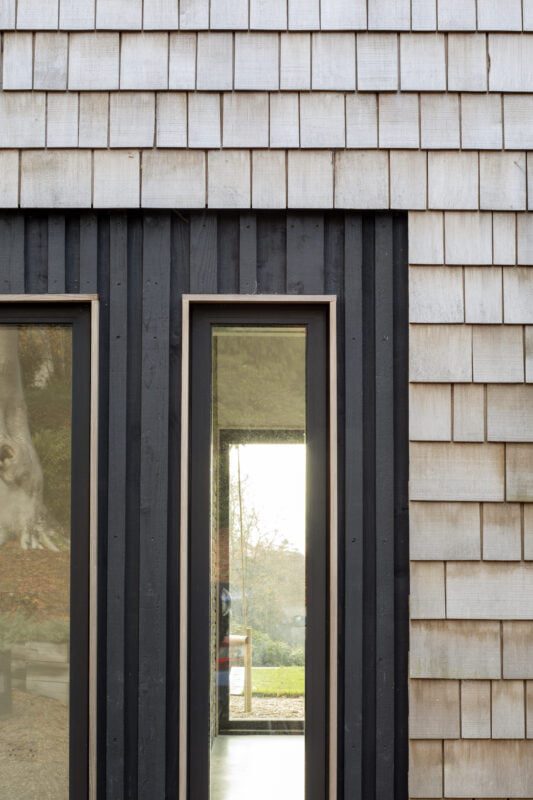
Craft in our work is not nostalgia. It is a form of deep listening – to materials, to people, to place, to climate. It asks us to understand the geometry of a flint, the behaviour of oak in a coastal wind, the way clay plaster will dissolve the boundary between shadow and form, or how a simple timber shingle can echo centuries of vernacular building on the edge of the South Downs, as at Lane End.
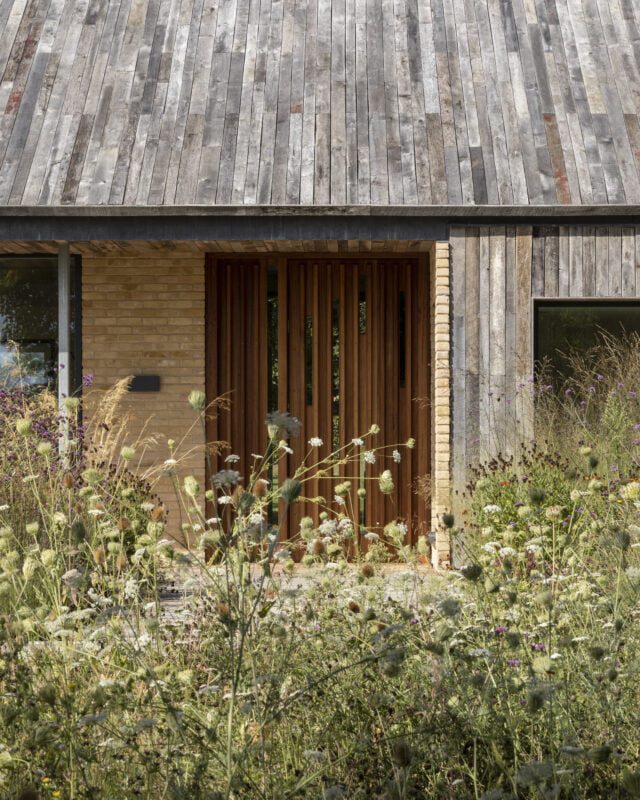
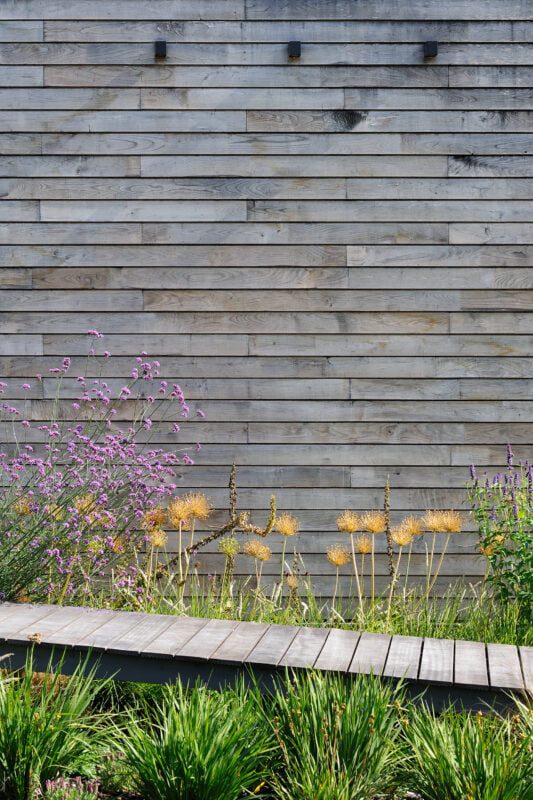
At The Barn & The Office, reclaimed timbers, already weathered by years of past use, carry the quiet stories of the landscape from which they came. They sit with gentle humility in their coastal setting; a home crafted to feel as if it has always been there.
At The Gardener’s Cottage, crafted red brick, laid with patience and precision, catches the morning light and frames views of the surrounding woodland. Here, light becomes a material in itself; it journeys through clerestory windows, bouncing softly across brick and oak.
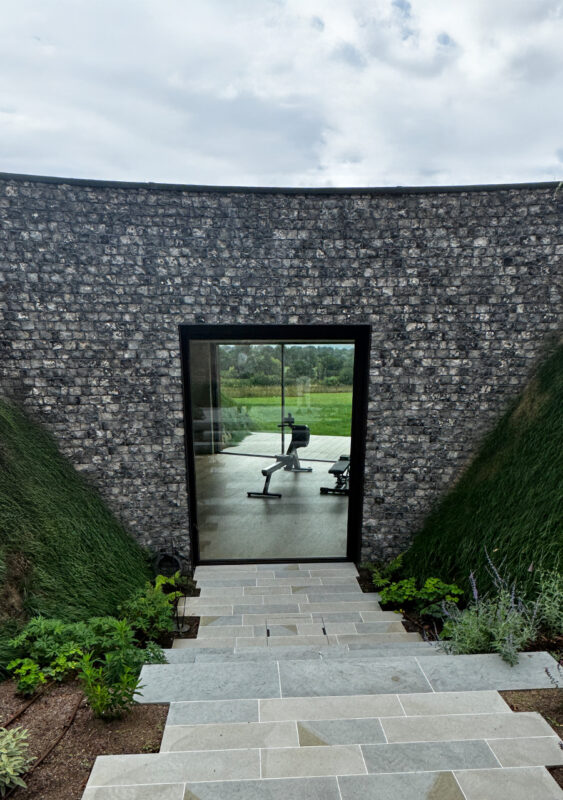
In the Engineers House, ancient flint is lifted back into conversation with the land. A rising flint wall – almost ruin‑like in spirit, anchors the building, rooting it into the chalk and history beneath. The tactile grain of the flint, its irregular edges, its memory of the site, become part of the architecture’s narrative.
At The Water Tower, a curving steel stair and projecting window seat transform a once‑neglected structure into a place of pause and immersion — a retreat shaped not by decoration, but by the raw honesty of metal, brick and light.
With Friars Lodge, careful restoration brings a 19th‑century cottage back to life, honouring its handmade brick textures while introducing contemporary craft through a glazed hall that links old and new.
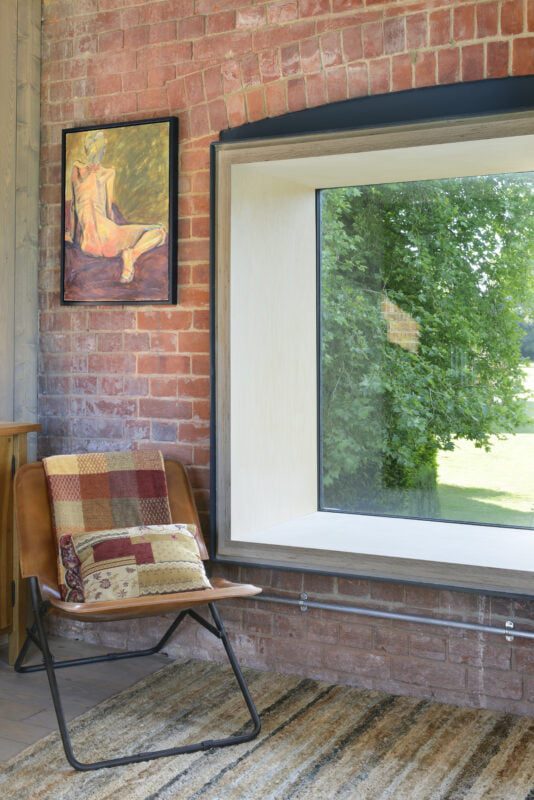
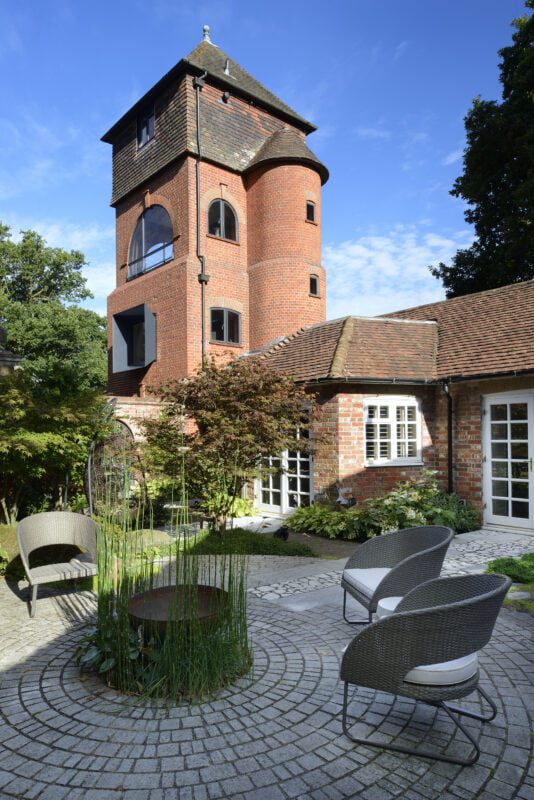
In all these places, beauty is not an afterthought. It is a discipline of shaping natural materials with skill, attentiveness and time.
Within PAD studio, we are students of the historic crafts that shaped our landscapes: flint knapping, cob wall building, lime work, clay finishing, timber framing, joinery, stone carving. We love to learn about these materials and participate in hands-on making. These skills are endangered, increasingly rare, yet essential to our cultural fabric. Working alongside skilled makers is both a privilege and a responsibility. Their knowledge needs to be shared to allow us to learn. Seeking and exploring this knowledge allows us to grow our practice and to design in ways that are rooted, durable, and resonant.
Craft is not just something we celebrate; it is something we depend on.
We honour the makers. The ones who can read the unpredictability of a flint, who know how to strike a flint at just the right angle, who understand why a clay finish glows in evening light. They help us build with authenticity. They help us build with love.