Insights; When Persistence Pays – New Forest Planning Successes
We often talk about the difficulties with the planning process, and how the experience can be tortuous, subjective and deeply frustrating for everyone involved. For the design team it can feel ‘Kafkaesque’ – policies and rules applied with no consistency, clarity or rationale. For applicants, delays create anxiety, frustration and significant additional costs, and in some cases can collapse the enthusiasm for the project altogether.
Unfortunately, delays are commonplace and, in many cases, completely unnecessary. So how do we at PAD studio support our clients in navigating the process and give them confidence that successful planning approvals are possible?
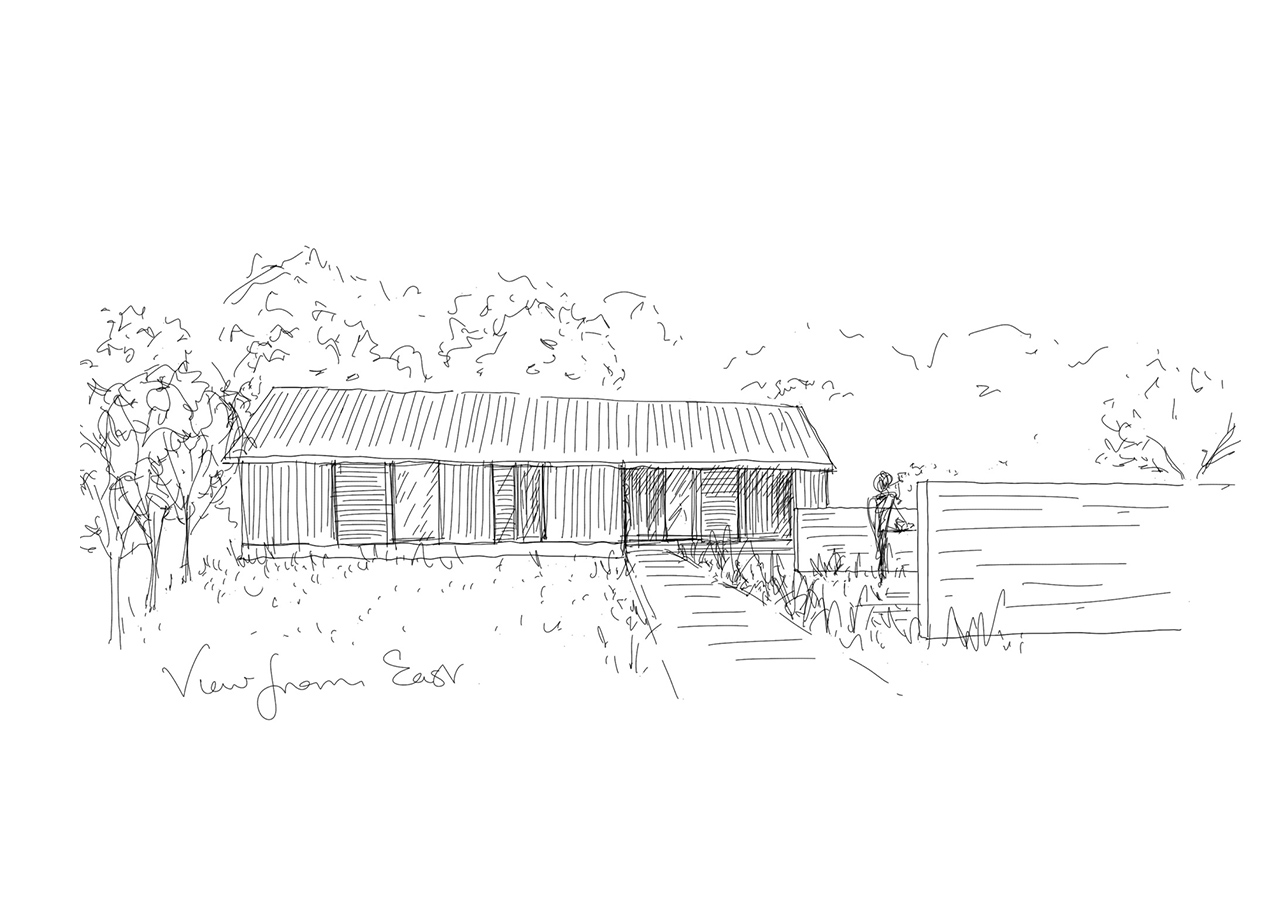
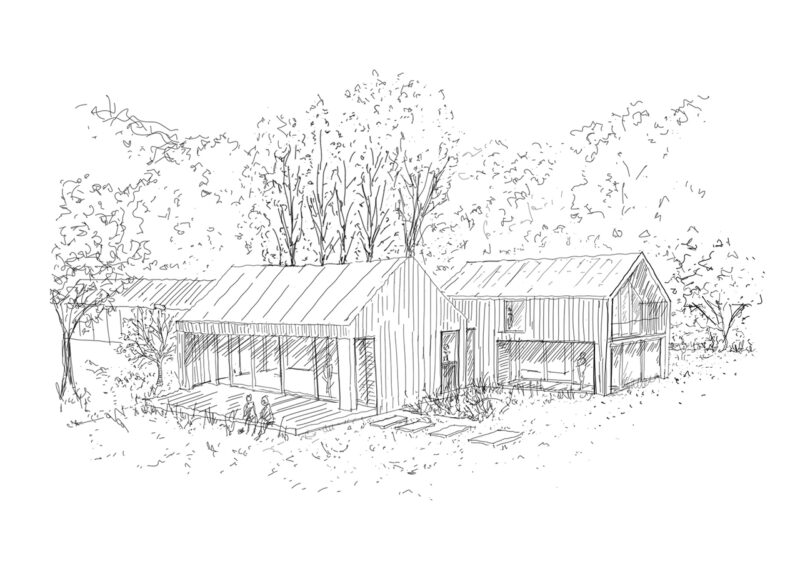
Over the course of one week, two of our projects in the New Forest National Park reached successful consents – Chapel House and The Dairy. I want to talk about how PAD studio worked strategically, and with strong conviction, to achieve a successful outcome in both cases.
These projects were both within sensitive and highly protected landscapes, where good architecture depends not only on design quality and an understanding of place, but on judgement, experience, and a clear understanding of planning policy and how it is interpreted.
The projects followed different routes and had different issues, yet together they say something important about the way PAD studio works – bringing clarity of design, depth of experience, and the resilience to stay the course for our clients in complex and highly scrutinised settings.
The real lesson here is that we have to persevere, stand our ground and challenge planning decisions. At times, we also need to flex, adapt and work around perceived obstacles.
Working in a National Park calls for care and discipline. These are landscapes of immense value, and that matters. Change should be thoughtful, well-judged and rooted in place. It also needs to be matched by proportionate, evidence-based decision making.
Both Chapel House and The Dairy began with a similar ambition – to replace existing buildings with architecture that was more considered, more sustainable and better suited to contemporary use.
In both cases, PAD studio brought a design-led response shaped by a detailed understanding of place, landscape, policy and the realities of building in sensitive rural locations. The challenges that followed, however, were very different.
Chapel House – Adaptability under pressure
At Chapel House, the proposed design was strong from the outset – a carefully considered replacement dwelling designed to sit quietly within its landscape while delivering a clear, policy-aligned response.
The challenge was not one of design quality, but of managing the planning process.
Following early positive dialogue, the application became drawn into a prolonged and increasingly interventionist review – tiny changes here and there. A familiar journey to many. It became clear that this was design overreach by the planners, but the reality was a ‘Hobson’s choice’: agree to the changes or face refusal.
No matter the changes we carried out, there were always more to come. The process became glacially slow, interminable and unnecessarily protracted. At that point, the position was clear – adapt to anything requested or accept refusal. This was simply attrition, and another familiar journey for many design teams.
After discussion with the client, we chose to engage and adapt strategically. We argued against changes where we could and refined where necessary, but the underlying design intent was carefully protected.
A strong concept from the outset was able to withstand these subjective changes, to the point where the situation was eventually reversed – there were no further opportunities for amendment and no remaining reasons for refusal. Planning permission was ultimately secured.
Looking back, the extent of change between the original submission and the final consent is relatively minor, and arguably unnecessary. However, the impact on both the design team and the client was significant – wasted time, additional cost and extensive delay. This places unfair pressure on clients and undermines confidence in the process. At times, it can feel like a Pyrrhic victory.
The Dairy – Holding ground
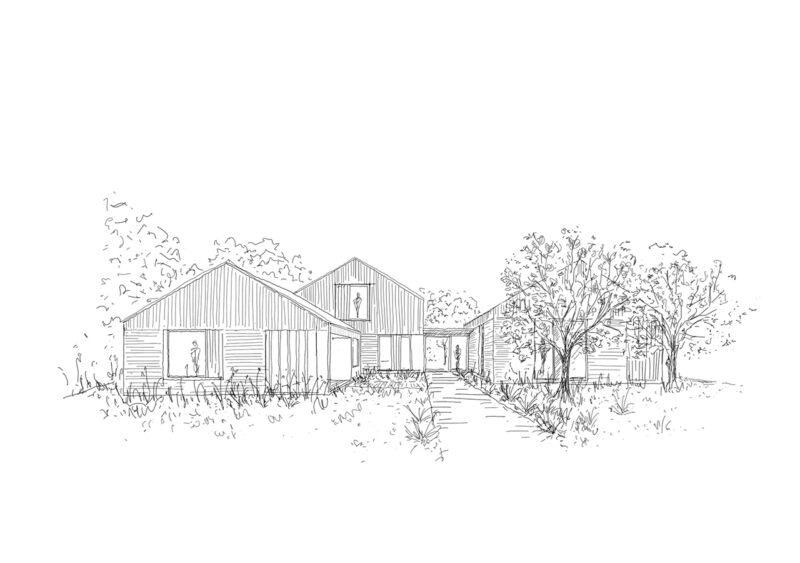
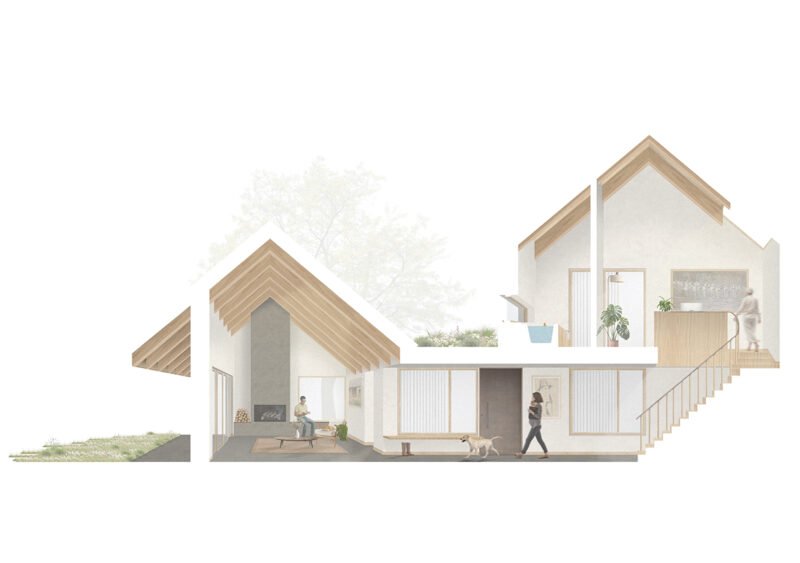
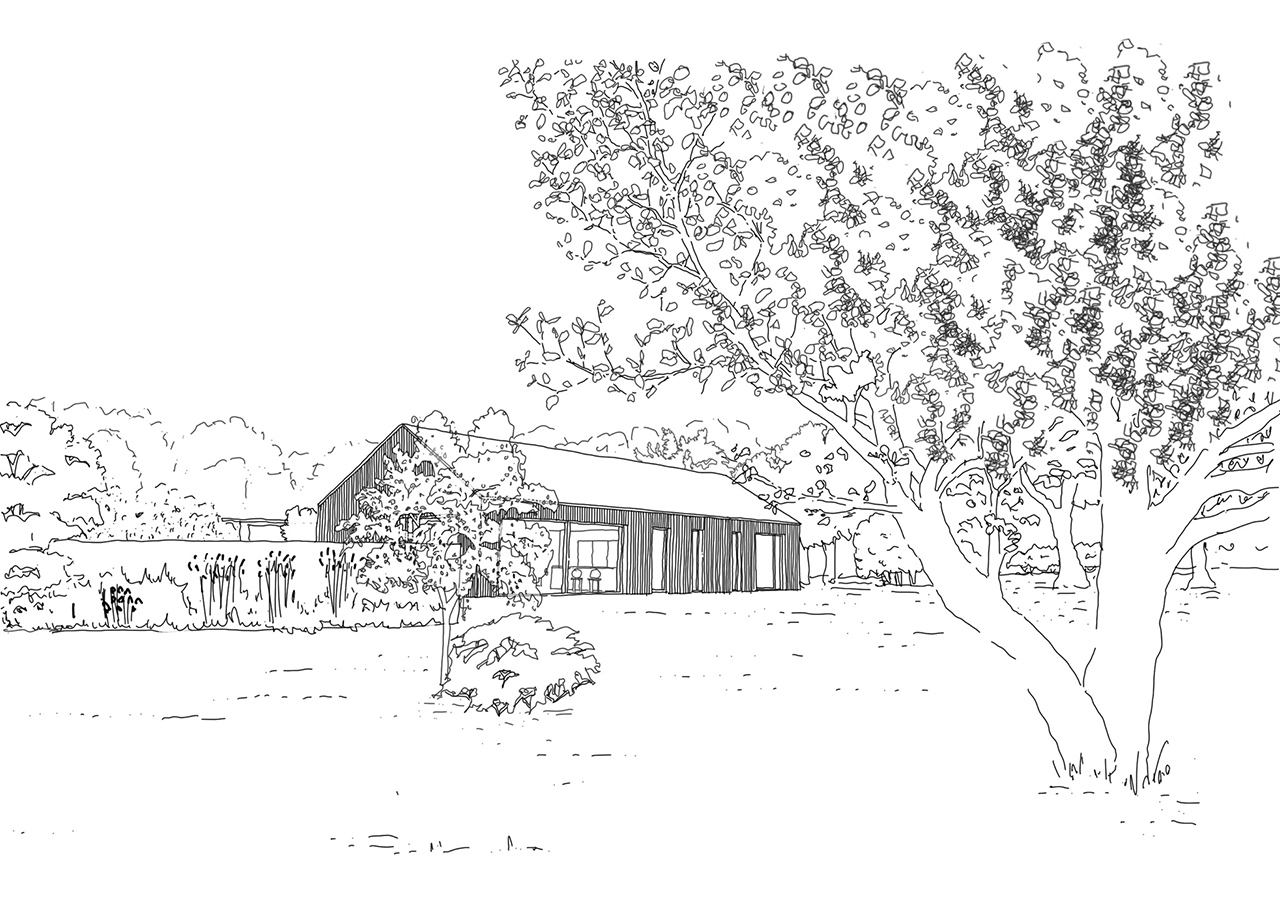
At The Dairy, the proposal for a replacement annexe was a well-designed, policy-aligned scheme – clear in its intent, entirely appropriate and an improvement to its setting. Even so, it was refused on policy grounds.
We were convinced that the policies referred to had not been correctly interpreted. This was not a case of redesigning the building, but one that required confidence, experience and the conviction that the basis for refusal was wrong.
After careful discussion with the client, we chose to appeal.
The appeal was allowed in full, with costs awarded on the grounds that the policies had been misread and were not properly interpreted or substantiated. The decision to appeal was fully vindicated.
Looking back, this reaffirmed something important – confidence matters, experience matters, precedents matter and sound proposals deserve fair and accurate assessment. We all believed the scheme had not been given a fair review, and the client shared that view.
Standing for what you believe in
At Chapel House, success came through adaptability, collaboration and firmness of purpose under pressure. At The Dairy, success came through experience, confidence and the tenacity to challenge a refusal that should not have been made. Both required patience and sustained effort.
More importantly, they demonstrate that PAD studio brings more than design flair to complex projects – combining strategic intelligence, planning experience and the resilience needed to navigate difficult processes without losing sight of the client’s interests.
This is a familiar journey for many design teams. The current planning process, where delays, subjectivity, overreach and misinterpretation are commonplace, undermines the confidence that should be the bedrock of the system. Much of this is unnecessarily adversarial and has a significant impact on everyone involved. From our perspective, we would welcome a more positive and collaborative forum, with improved quality of dialogue.
To secure two planning successes in one week, in such a closely scrutinised context, feels genuinely rewarding. Together, they reinforce what we do best – excellent design, deep contextual knowledge, and the confidence and tenacity to fight for our clients when it matters.